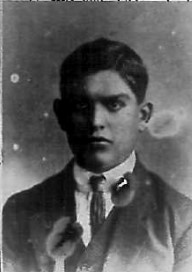
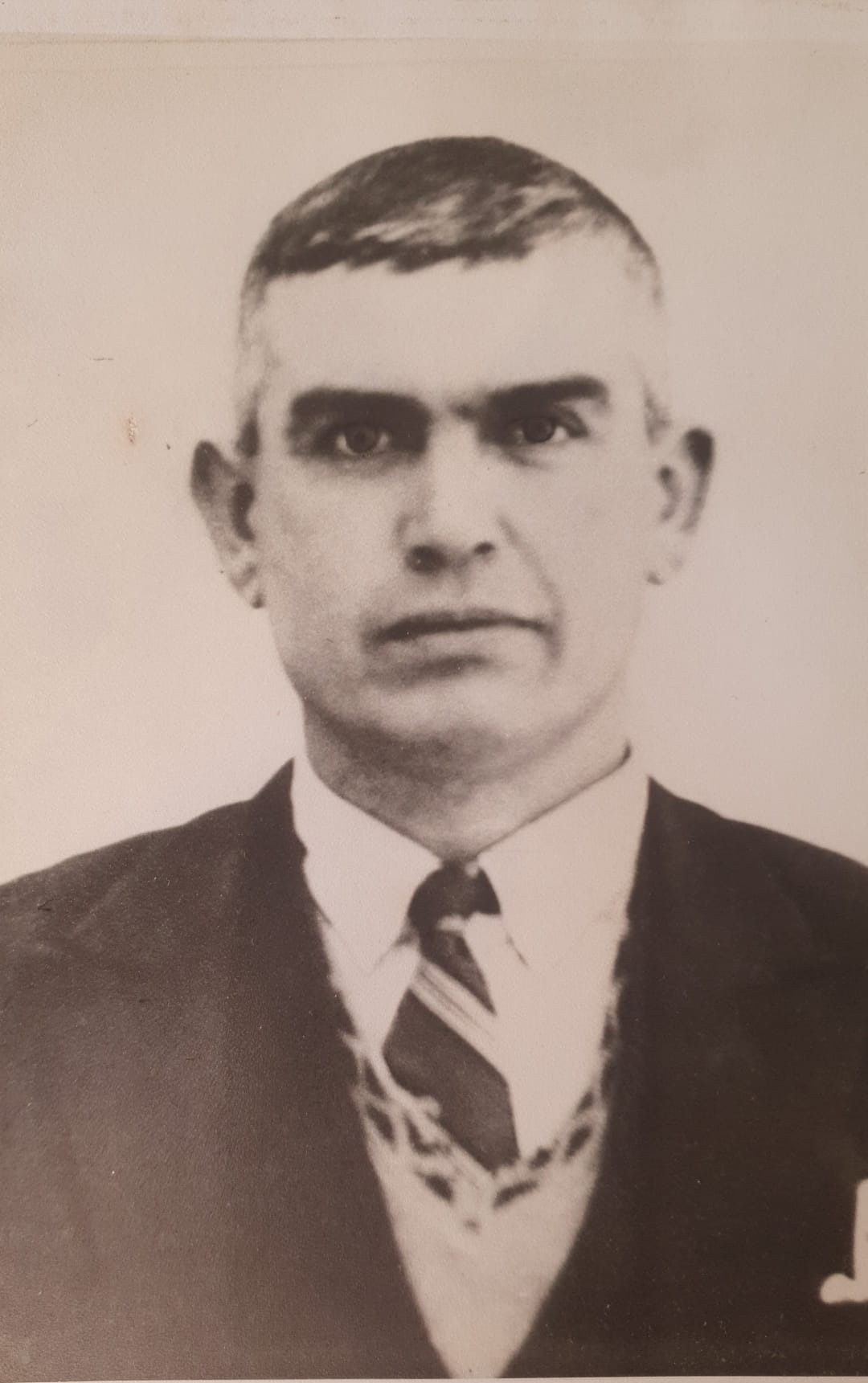
Vitor Bajada was born on November 4th 1900, in Xaghra, (at the time called Caccia) at the family farm in the area known as Pergola. At around the age of nineteen he emigrated to the United States and worked in the automobile factories in Detroit, but returned to Malta after a few years due to the post-war depression of 1920-1921.
In 1928 he married Carmela nee’ Ciantar, and for the rest of their lives they lived in Ghajnsielem, where they raised a family of eight children.
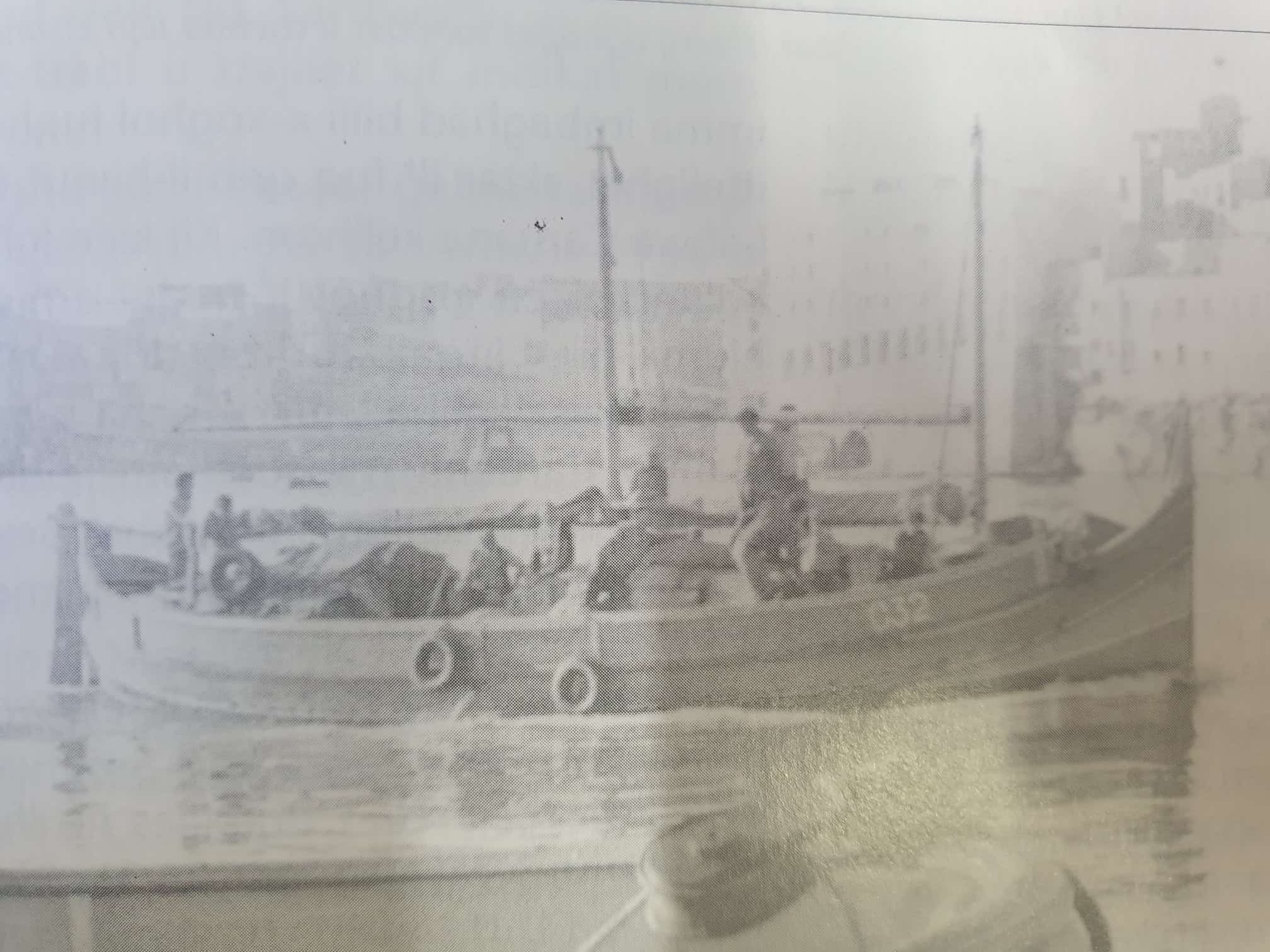
As an entrepreneur he started several businesses, most notably operating as a food and consumer goods merchant, and later a winery and soft drinks bottler. In the former, from the late 1920’s he operated from a distribution store in Mgarr, where as was typical of merchants in Gozo, there was the unloading goods from their own cargo boats coming daily from the port of Valletta, and then for further distribution across Gozo. At first, he owned one of the smaller cargo boats (‘luzzu’) named ‘Kristu Re’, and later he commissioned and co-owned a new larger cargo boat (type called ‘daghjsa tal-pass’ also called ‘tal-latini’) named ‘Sagra Famiglia’ – more information below. Through his life Vitor Bajada also bought and sold some property in Gozo, as well and financed others starting small businesses.
Vitor Bajada died on the 22nd of June 1979, and is buried at the family tomb in Ghajnsielem.
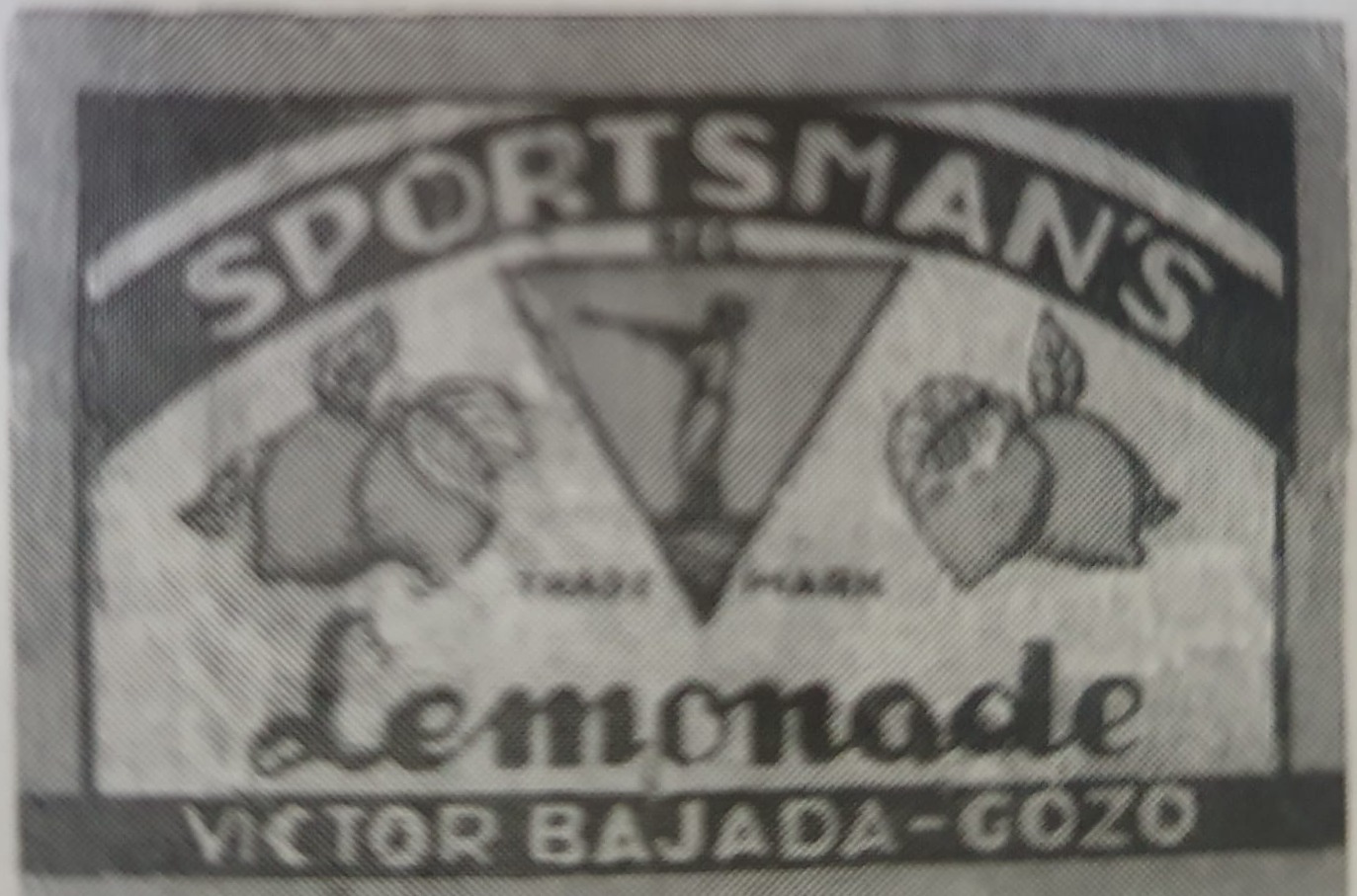
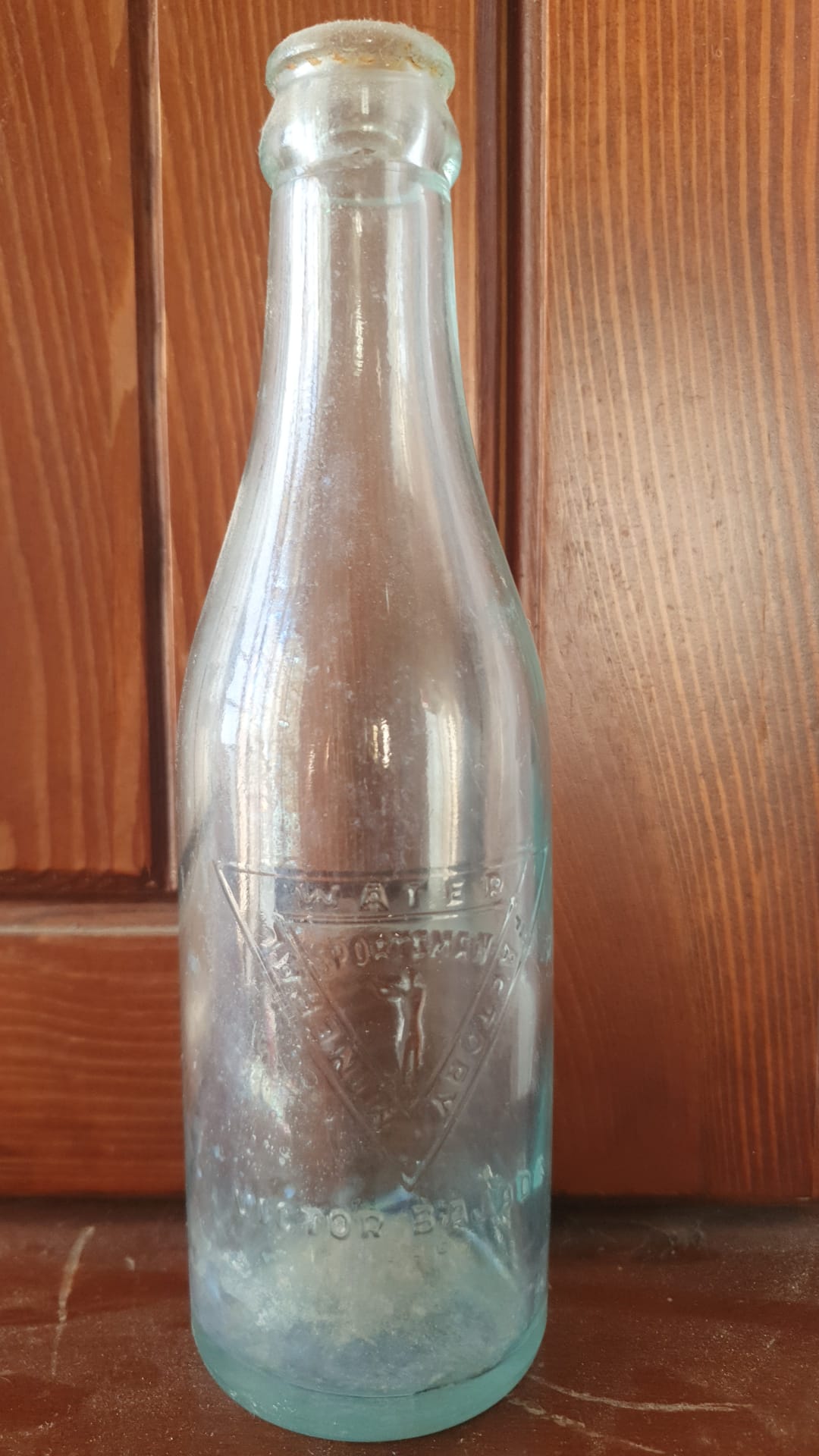
Commencing in 1946, based at a sizable purposefully-built plant on Mgarr Road, Ghajnsielem, Vitor Bajada founded the winery and soft-drink bottling operating under the trade mark of ‘Sportsman’ with a logo of a hunter shooting. The name was a nod to his lifelong hunting and gun ownership enthusiasm, emanating from his growing up in Xaghra. The plant had two automated bottle filling and corking machines, along with other equipment for soda water compression and cleaning which ran on a (for the time in Malta, advanced), rotating line shaft system, powered by a central engine. Under the Sportsman brand several types of soda were produced, particularly, lemonade, cola and other flavors such as cream soda, strawberry and banana. At the same location he also operated a winery, with the soda and wine being complementary distributed products to shops in Gozo. For a period he also had the wine sold directly from a shop at Perellos Street in Ghajnsielem. Two other pieces of trivia are that at the bottling plant the telephone number was 120, and the telegraph code was BAJTOR, an anagram of his name.
The cargo boat Sagra Famiglia, was co-owned 50% by Vitor Bajada and 25% each by Pawlu Scicluna and Guzeppi Galea, the latter two being experienced British merchant-marine seamen, who also held local skipper (‘padrun’) licenses. The partnership setup was intended that while Vitor Bajada would have a steady goods supply being transported from Malta to his Gozo distribution operation, the two skippers would operate the cargo boat on a daily basis catering for other general transport needs between the islands. The 47 foot boat was built in Kalkara, Malta by boatbuilders G&E Caruana in 1933, and was estimated to have a carrying capacity of around 30 tons. It initially had the number ‘G2’; though after World War II, all the Gozo cargo boats were renumbered, and so it later carried the number ‘G32’ – still retaining the same name. While all the Gozo cargo boats originally had been dependent on sails and oars, some had started being converted to diesel with the installation of an internal combustion engine. The Sagra Famiglia was the first of the locally built boats to be designed for an engine - initially of the make Gleniffer, although it still had the sail rigging. In 1939, Vitor Bajada and his partners sold the Sagra Famiglia, and shortly after with the outbreak of World War II, along with a one other Gozo cargo boat, it was requisitioned by the British Admiralty and sent to Egypt, were they were used as troop carriers and landing boats. The other cargo boat was sunk while in Egypt, though the Sagra Famiglia did make it back to Gozo, and then operated in the old manner between Mgarr and Valletta, till the 1970s. Eventually the boat came under the control of a Gozo heritage organization, and was restored by the sons of the original Caruana builders, and has been setup as a central display item on the Mgarr promenade, a legacy remembrance to a bygone era and to those who owned and worked on this means of transport between Gozo and Malta.